Fishing games: credits, aims, and session pace
Each shot spends credits: learn tiers and shot sizing so continuous fire does not empty the wallet in minutes.
Sponsored link to jiliphil.vip, a different gaming site. 21+ only.
Aiming games are not reel spins
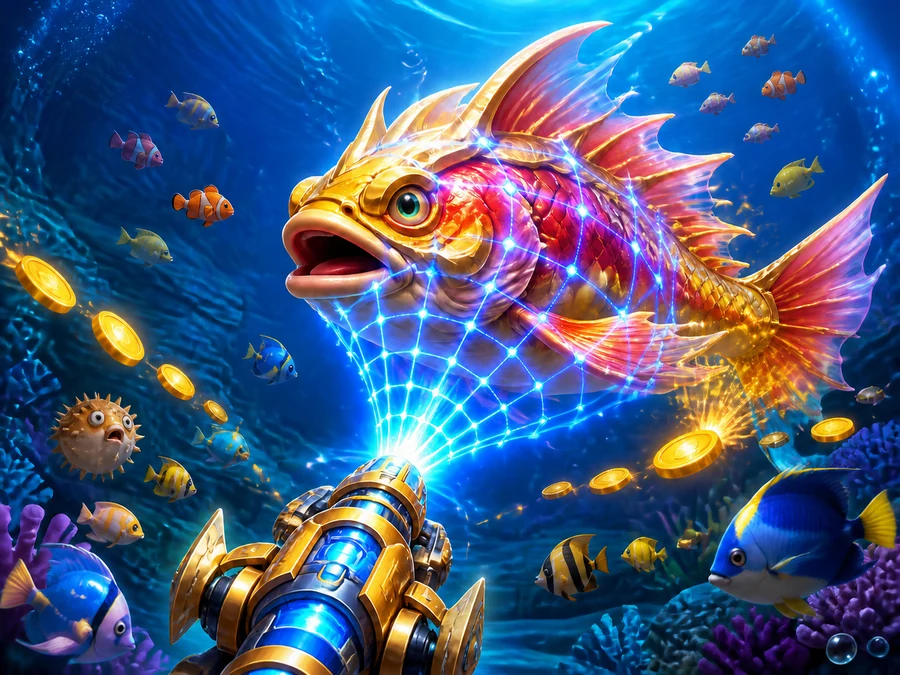
Fishing (sometimes labelled fish shooting or ocean arcade) is a real-money genre where you aim a cannon or net at swimming targets. Each shot spends credits. Captures return multipliers tied to the fish tier and your shot stake. Rooms are often multiplayer: several cannons share one scene, and the player who lands the finishing hit receives the award on that target.
Unlike a slot spin, you choose targets continuously, so session length is mostly a function of how hot your trigger finger is. That agency feels like skill. Capture probabilities and payout tables still favour the house over time. Aiming controls the entertainment, not the long-run outcome. It does not host fishing tables or publish live progressive pools.
Credits and shot-cost math
Your deposit converts into in-game credits at the rate the cashier shows. Bullet or shot value is your stake per fire. A ₱1 shot stretches a small balance across many attempts; a ₱10 shot ends the same balance faster while scaling awards on hits. Beginners should stay on the minimum shot value for the first stretch of a session while learning fish paths and boss spawn cues.
Count expected shots from your session budget before you enter: budget ÷ shot value ≈ shot count. If that count looks tiny, lower the shot value or leave the room. Do not raise shot size solely because a boss appeared while your balance is already thin.
- Read the credit conversion on the cashier, not a banner.
- Start at minimum shot value for learning minutes.
- Know how many shots your peso stop actually buys.
- Refuse revenge upsizes after a missed boss.
Fish tiers, bosses, and special weapons
Titles commonly tier targets: small fish with low multipliers and high hit rates; medium fish; large fish that need concentrated fire; boss or jackpot bosses with the biggest multipliers and shared progressive overlays. Special weapons (lightning chains, bombs, lock-on) spend extra or consume a meter. Read whether those tools cost additional credits when fired.
A practical habit many careful players use: spend most shots on smaller targets to slow the burn, and only focus fire when a high-value target is realistically within reach of your remaining balance. Blindly dumping the wallet into every boss that spawns is how sessions end in minutes. Some titles advertise RTP ranges or weapon tiers; check them in the game’s help screen. They describe the long run, not your next five minutes.
Choosing a room that fits the wallet
Pick rooms whose minimum shot fits your plan. High rooms with flashy jackpots are not “better” if one miss sequence empties you. Set a hard exit when a fixed percentage of the session budget is gone without a meaningful return (for example, leave at 40% spent if nothing has stabilised the balance) rather than hunting one more boss. Do not hop rooms to chase the same loss under a new wallpaper.
Fatigue tells in continuous fire
Connection quality matters: laggy aim wastes shots. Pause when the scene stutters. If continuous fire makes it hard to feel the money leaving, that is a signal to stop: switch the phone off and walk. Never share OTP, MPIN, or passwords with anyone who messages you about “fishing room support.”
Fishing sits near arcade and slots in many Philippine lobbies. Use those hubs when you want crash/colour pace or reel paytables instead. Table decision games live under table games and live casino.
Neighbour formats if fishing runs too hot
Play only if you are 21 or older where permitted. Keep responsible gaming bookmarked. If the cannon pace is rewriting your mood faster than you can track credits, leave for a slower format (or for no format at all) instead of “cooling down” with one more room.